5 May 2026
Mental Health Awareness Week: How Thai Massage Quiets a Busy Mind
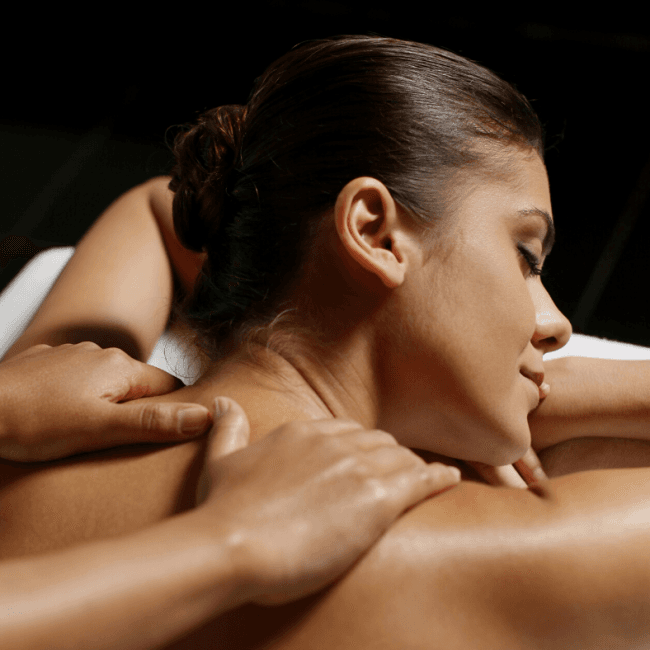
It is half past six on a Thursday, the Northumberland Avenue pavement is wet from an afternoon shower, and you have spent the day with your shoulders somewhere up around your ears. The inbox kept filling. The meeting ran over. By the time you reach Embankment, your thoughts are still ricocheting between the report due tomorrow and the message you forgot to answer. This is the exact moment a good massage for stress and anxiety London professionals rely on starts to earn its keep, because the body often calms down well before the mind agrees to.
Mental Health Awareness Week is a useful prompt to take that seriously. Most of us know we are carrying tension, but we wait until it becomes a headache or a sleepless night before we do anything about it. A treatment booked on purpose, in a quiet room, with someone trained to read where you hold stress, is a small and practical act of looking after yourself.
What a Traditional Thai Massage actually is
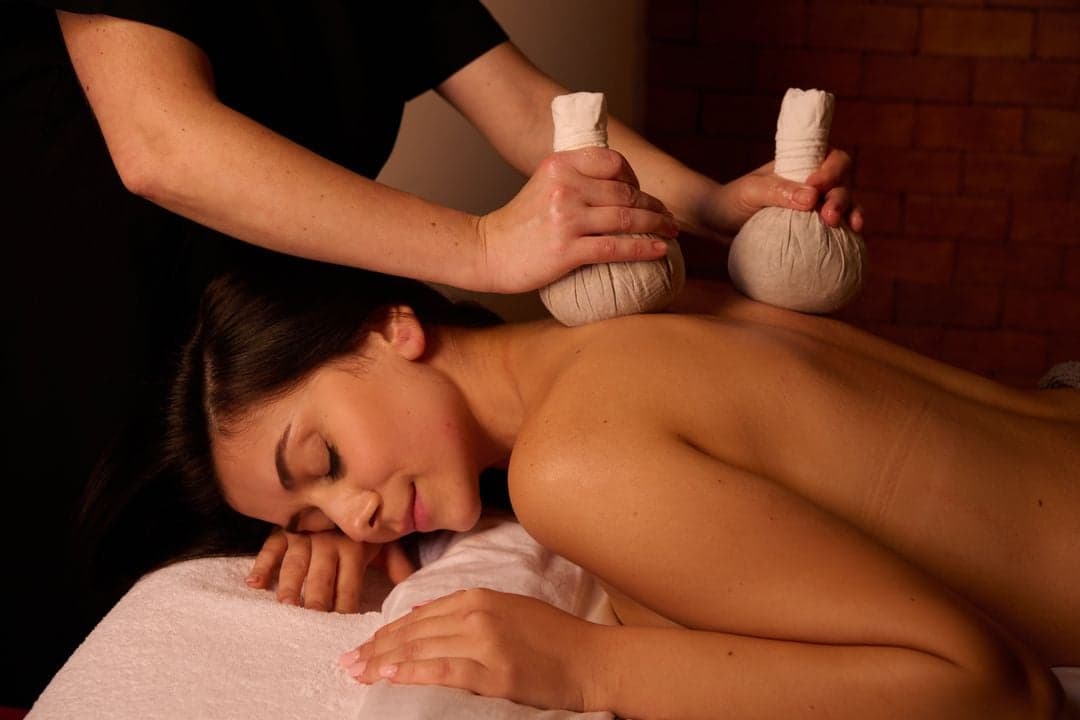
Traditional Thai Massage is an old practice, refined over centuries in Thailand, and it works differently from the oil massage many Londoners picture. You stay clothed in loose garments and lie on a padded mat rather than a high couch. Your therapist uses palms, thumbs, forearms and feet to apply rhythmic pressure along the body's energy lines, then guides you through assisted stretches that open the hips, spine and shoulders. People sometimes call it lazy yoga, because the therapist does the work while you let go.
Our Traditional Thai Massage starts from £135 and sits within our wider range of body treatments, so you can choose the length and focus that suits the kind of week you have had.
How it feels, and why the mind goes quiet
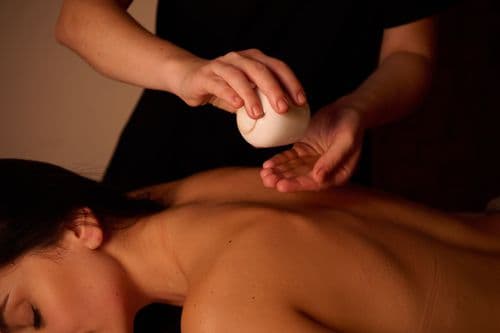
The early minutes are slow and grounding. Steady pressure moves down the legs and back, and your breathing tends to lengthen without you deciding to make it. As the stretches begin, you feel long-held tightness in the hips and upper back start to give way. There is a particular kind of relief when a shoulder that has been braced all day finally drops.
The reason a busy mind settles is partly physical. When muscles release and the breath slows, the nervous system shifts out of its alert, on-guard state. Racing thoughts lose some of their fuel. Many guests tell us the chatter in their head simply has less to grip onto by the end. You leave clearer, not foggy, which is why a midweek treatment can change the whole tone of the days that follow.
Who it suits
This treatment is a good fit for people who sit at desks, stare at screens and carry stress in the neck, shoulders and lower back. If your working day involves long commutes, back-to-back calls or the particular strain of being switched on at all hours, the assisted stretches will reach tension that ordinary rest never quite clears.
- Office workers and commuters with stiff necks and tight shoulders.
- Anyone who exercises hard and needs to restore range of movement.
- Those who feel mentally wound up and want a reset that is active rather than purely passive.
If you are pregnant, recovering from injury or managing a health condition, tell us when you book so we can advise on the right treatment or adapt the pressure.
Why this matters during Mental Health Awareness Week
Mental Health Awareness Week tends to fill our feeds with good intentions, and far fewer follow them through with something concrete. Booking time for your body is one way to act on the message rather than just nodding along. We have written before about how regular treatments support emotional wellbeing in Spa, The New Age Massage for Mental Health, and about the way Londoners turn to the spa when pressure peaks in Managing Stress During Tax Season. The thread through all of it is simple. Calm is a skill you can practise, and the right hands make it easier.
What to expect when you arrive
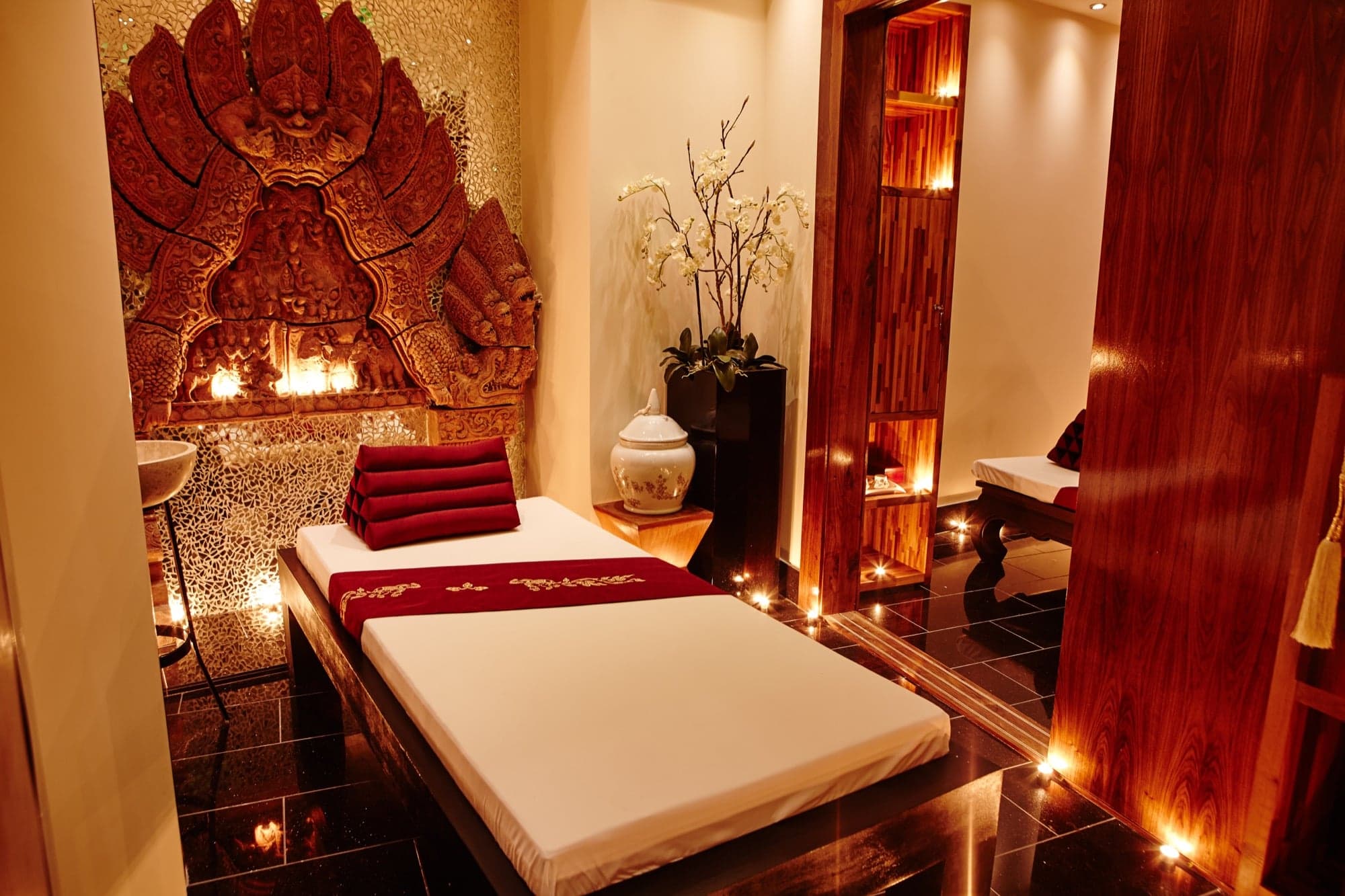
We are at 25 Northumberland Avenue, a short walk from Trafalgar Square, Charing Cross and Embankment, so it is easy to slip in after work or between commitments. Arrive a few minutes early, leave your phone on silent, and your therapist will ask about any sore areas and the pressure you prefer before you begin. The room is warm and low-lit. Afterwards we recommend a glass of water and a slower pace home, because the body keeps unwinding for a while once the treatment ends.
If you want to make a fuller morning or afternoon of it, our piece on Spring Renewal at Thai Square Spa has ideas for pairing treatments into a proper reset.
Aftercare and booking
To get the most from your massage, drink plenty of water over the following day, move gently and resist the urge to rush straight back into a screen. Stretching that has opened the hips and spine holds longer if you keep moving in small ways and sleep well that night. Many of our regulars find that booking once a month keeps tension from building back to where it started.
This Mental Health Awareness Week, give your mind the quiet it has been asking for. A Traditional Thai Massage is a calm, considered way to step out of the noise of central London for an hour, and we would be glad to find you a time. You can get in touch to book your treatment whenever you are ready, and we will look after the rest.
The Treatment
Experience the Traditional Thai Massage at our spa on Northumberland Avenue.
Book your visitFrequently asked questions
- Do I need to undress for a Traditional Thai Massage?
- No. Traditional Thai Massage is done fully clothed in loose, comfortable garments, which we can provide. You lie on a padded mat while the therapist works with pressure and assisted stretches, so there is no oil and no need to undress.
- How long does a session last and how much is it?
- Our Traditional Thai Massage starts from £135, with different lengths available so you can match the session to your time and needs. When you book, we will talk you through the options and help you choose.
- Will the stretching hurt if I am very tense or out of practice?
- It should feel like a firm, satisfying release rather than pain. Your therapist adjusts the pressure and depth of each stretch to your body and tells you what to expect as you go, so please share any sore or stiff areas before you begin.